Logistics
One mill in Europe makes it
· Marcus Oyelaran
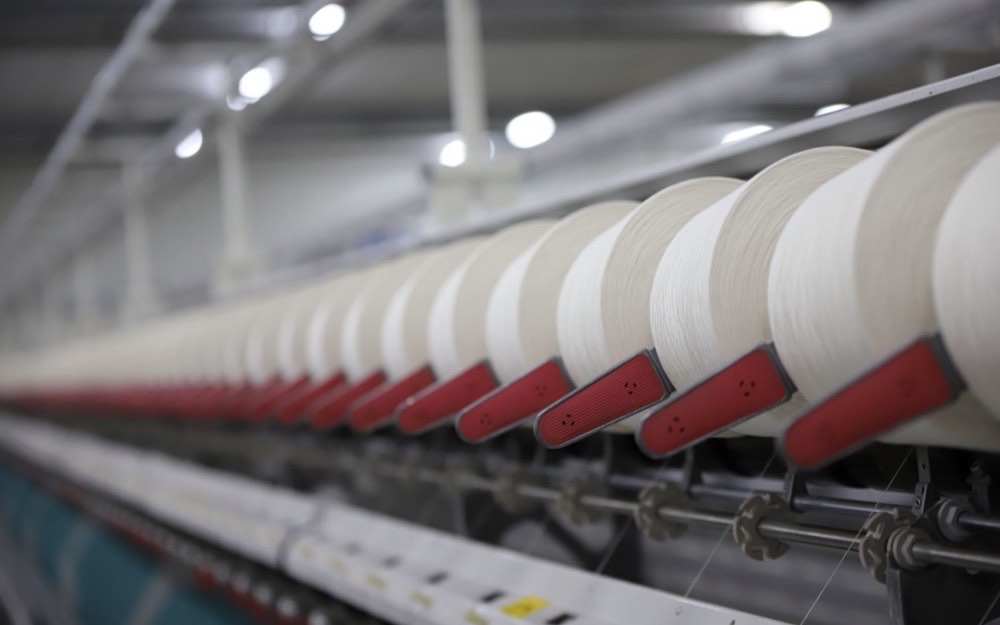
The most impressive material in a shortlist is often the one with the fewest people making it. That is not a coincidence: novelty and scarcity are the same fact viewed from two directions.
We map supply before we recommend anything, and the question that has killed the most shortlisted materials is not "does it work?" but "who else makes this?"
What single-source actually costs
It costs your negotiating position first. A supplier who knows they are the only qualified source prices accordingly, and the price moves after you have tooled for it rather than before.
It costs you lead time next. Single-source materials have no slack: a maintenance shutdown that would be invisible with three suppliers becomes a stockout with one.
And it costs you the ability to leave. Requalifying a material on a food or pharma pack is months of work. That cost is the real switching barrier and it is why the price moves.
What we look for
Three qualified suppliers at your volume, or two plus a credible path to a third. Not three companies who could theoretically make it — three who have made it, at your grade, in the last eighteen months.
When one supplier is acceptable
When you have said out loud that it is one supplier, priced the risk, and hold enough stock to survive their worst realistic outage. That is a decision. The failure mode is not choosing a single-source material — it is discovering you have one, two years in, during their shutdown.