Materials
Paper is not automatically better
· Priya Raghunathan
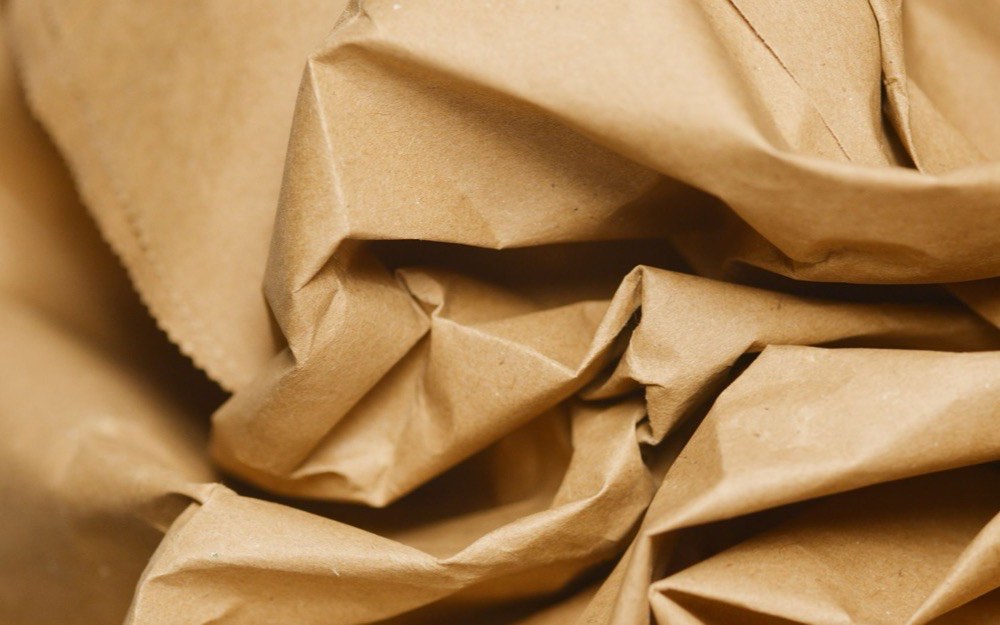
Fibre-based packaging has one enormous advantage: almost everyone can put it in a bin that leads somewhere. UK kerbside collection for paper and card is close to universal. That is a genuine, hard-to-overstate benefit and it is why so many substitutions go this direction.
It is not the only variable, and treating it as one produces worse packaging.
Where fibre loses
Barrier. Paper has none. Anything with a moisture, oxygen or grease requirement needs a coating or a liner, and the moment you add one you are back to a multi-material structure with a recyclability question of its own.
Weight. A fibre tray that survives the same transit as a thermoformed one is usually heavier. On a product shipped by road at volume, that weight is real emissions, and we have seen substitutions add more in transport than they saved in material.
Moisture sensitivity. A pack that performs at 50% relative humidity can lose a third of its compression strength at 85%. Warehouses in July are not at 50%.
The comparison that is actually useful
Not "paper versus plastic" but "this pack on this route versus that pack on this route", measured on the two or three things that decide the outcome: grams per unit shipped, failure rate in transit, and what fraction of units end up somewhere that can process them.
That comparison sometimes says fibre and sometimes says keep the plastic and make it thinner. We publish the ones that say keep the plastic too, because a consultancy that only ever recommends change is selling change.