Practice
Reuse only works if it comes back
· Rina Okonkwo
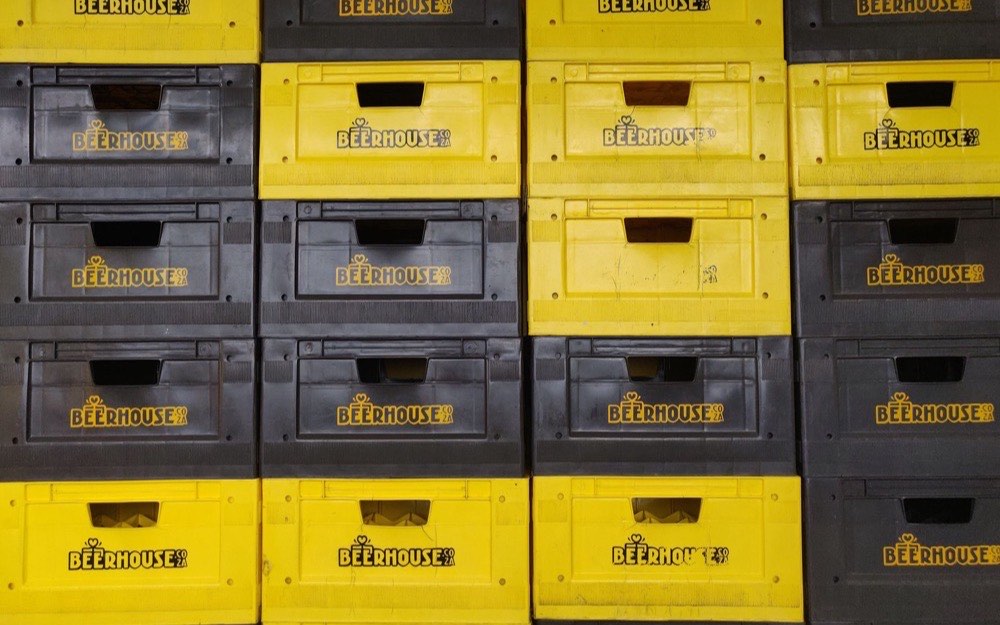
A reusable crate is heavier, thicker and more carbon-intensive to make than the single-use case it replaces. That is not a flaw in the idea. It is the deal: you pay a larger cost once and amortise it over trips.
Which means the whole question is trips, and trips are a logistics problem rather than a packaging one.
The break-even nobody calculates
Every reusable system has a number of cycles at which it overtakes single-use. For rigid transit packaging we typically model somewhere between eight and twenty-five trips depending on the material, the wash energy and the return distance.
Below that number the reusable option is worse on every measure. Not marginally worse — worse, while carrying a sustainability claim.
The failure mode is not that the crate is bad. It is that a system modelled at forty trips runs at nine, and nobody revisits the model once the launch is over.
What eats the trips
Loss. Crates leave the loop. In open systems without a deposit we have seen annual loss rates above 30%, which caps average trips well below any published figure.
Return distance. A crate that travels 300km back empty has spent a meaningful share of the benefit it was collecting. Backhaul on an existing route is nearly free; a dedicated return leg is not.
Damage and wash. Crates come back cracked, and washing has a real energy and water cost that models routinely omit because it lands on a different budget.
What we ask before anyone tools up
Three numbers, measured rather than assumed: actual return rate after twelve months, actual return distance, actual replacement rate. If a client cannot estimate those from a pilot, the honest answer is that the system is not ready to model, and we say so before there is tooling to write off.
Reuse is often the right answer. It is right about as often as the numbers say it is, which is less often than the pitch decks suggest and more often than the sceptics assume.